Preparing for a media interview comes down to three things: decide the two or three messages you need the audience to remember, rehearse out loud the questions you least want to be asked, and practise steering back to your messages in short, plain sentences. Everything else is detail.
Earl Sky has spent decades on the other side of the microphone as a broadcast journalist with CBC Radio and City TV. This guide is written from that side of the table: what the person asking the questions needs from you, and how you can give it to them without losing control of your message.
Before you say yes: ask the basics
When a journalist or producer gets in touch, it is fair and normal to ask a few questions before you agree. You are not being difficult; you are preparing.
- What is the story about, and why now?
- Who else are you speaking to?
- Is it live or recorded? How long will it run?
- Is it audio, video or print? In a studio, on location, or over a video call?
- When is your deadline?
The answers shape everything else. A 90-second live radio hit needs a different preparation from a 40-minute podcast or a print interview where you will be quoted in a single line.
Decide your key messages
Write down the two or three things you want the audience to remember. Not ten. If someone hears the interview while driving, what should they be able to repeat to a friend afterwards?
- Write each message as one short sentence you could say aloud in about ten seconds.
- Back each one with a proof point: a fact, an example, a short story.
- Use plain words. Industry terms that feel normal inside your company sound like a wall to everyone else.
Rehearse the questions you dread
Make a list of the hardest questions you could be asked: the awkward number, the complaint, the thing a competitor said, the question you genuinely do not know the answer to. Then rehearse your answers out loud, ideally with someone playing the reporter.
Rehearsing in your head does not count. The first time you say a difficult answer aloud is usually clumsy, and it is far better for that to happen in rehearsal than on air.
Bridge back to your message
You do not control the questions. You do control the answers. Bridging means answering the question honestly and briefly, then moving to the point you came to make.
- "That's a fair concern. What we've done about it is…"
- "I can't speak to that, but what I can tell you is…"
- "The bigger issue for our customers is…"
Bridging works when you actually answer first. Ignoring the question and launching into a talking point is obvious to the audience and to the reporter, and it tends to make the next question harder.
Rules worth keeping
- Never say "no comment". It sounds like guilt. If you cannot discuss something, say why: "That's before the courts, so I can't comment on the details."
- Assume the microphone is on. Before, after, during the sound check, in the hallway.
- Do not repeat a negative question. If you are asked "Is your product unsafe?", do not answer "Our product is not unsafe." Say what is true: "Our product meets every safety standard, and here is how we test it."
- It is fine to say "I don't know." Follow it with what you will do: "I don't have that number in front of me, and I'll get it to you today."
- Stop when you have finished. Silence after an answer is the reporter's job to fill, not yours. Rambling to fill it is how people say things they regret.
Delivery: on camera, on radio, on a podcast
Television and video
- In a studio or on location, look at the interviewer, not the camera, unless you are told otherwise.
- On a video call, look at the lens when you speak. Put the interviewer's window just under it so you are not looking away.
- Sit forward slightly. Leaning back reads as disinterest on screen.
- Wear plain, solid colours. Fine stripes and small checks can flicker on camera.
Radio and podcasts
- Your voice carries everything, so energy matters more. Stand if you can, and smile when it fits; listeners can hear it.
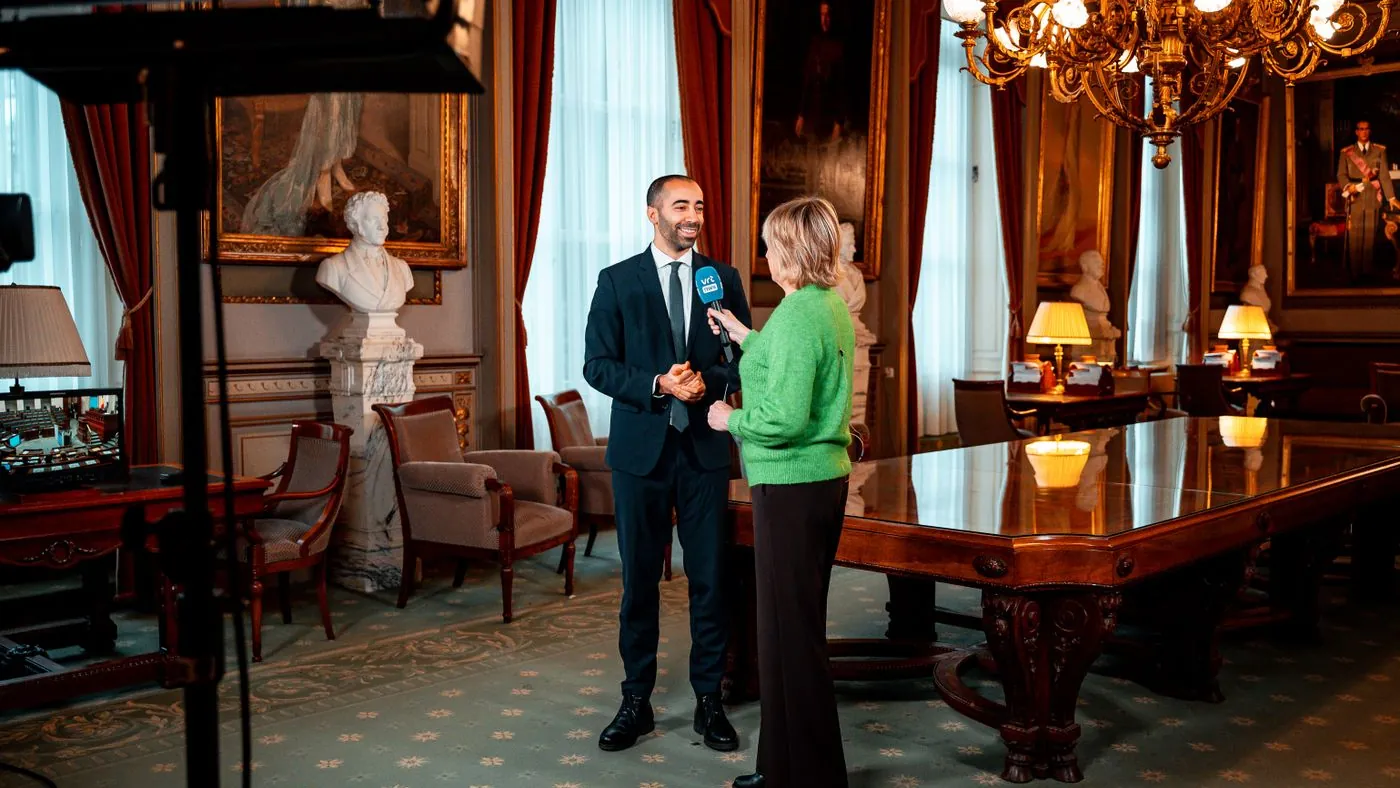
- Keep a steady distance from the microphone. On a handheld mic, Earl's rule of thumb is about six inches from your mouth, held in your non-dominant hand so it does not move when you gesture.
- Podcasts are longer and more conversational, which makes it easy to wander. Bring your key messages anyway.
Print and online
- Everything you say can be quoted, including the casual aside at the end.
- Offer to send figures or background in writing so they are reported accurately.
The day of the interview
- 1Read your key messages one last time. Do not cram new material.
- 2Warm up your voice. Talk out loud before you arrive or log on.
- 3Skip the caffeine and drink water, so your throat does not dry out.
- 4Get there, or log on, early. For video calls, check your camera, light and sound before the producer does.
- 5Have one card with your messages and proof points within reach, but do not read from it.
When it is urgent
Sometimes there is no time for a full program: a statement has to be read today, a reporter is calling back in an hour, or a video needs to go up to explain what happened. Vocal Power can make time for urgent coaching to prepare you or your executive team for an interview, a statement or a video. Phone and email at the same time so the message is seen right away. Details are on the media training page.
For planned interviews, launches and spokesperson programs, media training uses mock interviews and live drills, so the hard questions are ones you have already answered. For a whole leadership team, it can be part of corporate training.